A Florist’s Guide to Buying Flowers by Season
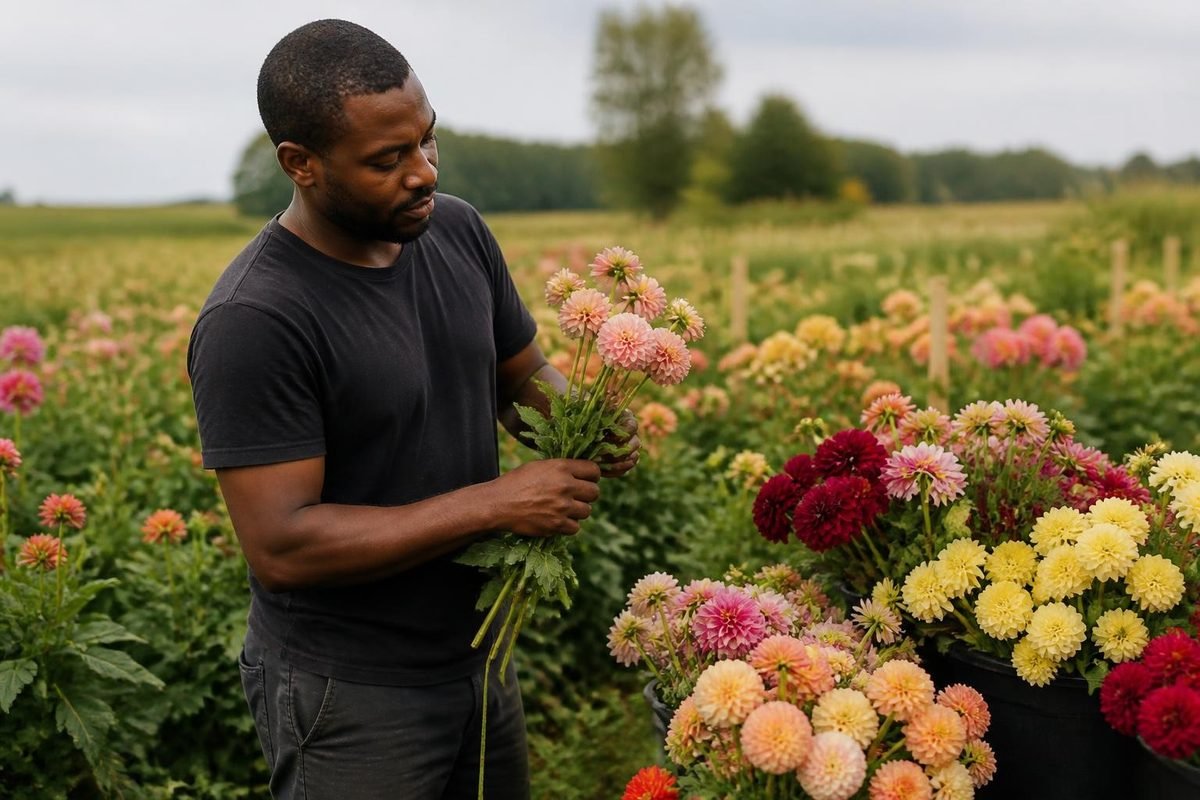
You can source flowers from nearby farms by matching your plans to their growing seasons, placing orders with enough notice, and staying in touch as crops develop. Begin by discussing what you both need, then agree on a routine that can adapt to weather and changes in availability.
Meet growers and line up seasonal plans
Find flower farmers at community markets, in grower groups, or through suggestions from other florists. Tell them about your business and ask what they cultivate, when those flowers tend to be ready, and how they like to handle florist orders.
Give growers a picture of your own schedule as well. They may recommend varieties for the months when you have the most weddings, or suggest a less busy period for trying something different in your everyday designs. Bring a list of flowers you regularly use, while leaving room for options you have not considered.
If the farmer has time, ask to see sample bunches or arrange a farm visit. Looking at stem length, color, and bloom stage will help you judge how well the flowers fit your work. You can also discuss how the flowers are cut and cared for after harvest.
Set out the ordering details
After finding a grower who suits your needs, settle on a straightforward way to place orders. A complicated agreement is not necessary, but you should both understand what you have requested, when orders need confirmation, and how to handle changes.
- Talk through the flowers and foliage, quantities, and colors you are likely to want at different points in the season.
- Decide on order cutoffs, any minimum quantities, payment arrangements, and whether you will collect the flowers or have them delivered.
- Record regular orders and requests for important events, noting which substitute flowers would be acceptable.
- Choose a regular time to check what is ready and discuss any changes while there is still time to respond.
For a major event, explain which parts of the order cannot change and where you can be flexible. You might need a particular color but not a specific flower. Knowing your priorities lets the farmer offer useful alternatives.
Adjust as crops change
An order is a plan, not a guarantee of what will be ready. Weather, pests, or a crop growing faster or slower than expected can affect availability on a particular day. Request updates and keep a few backup choices in mind. If a favorite flower is running late, another locally grown variety may give you a similar shape or color.
After each order, share direct feedback with the farmer. Say how the flowers lasted and whether the amount was right, and ask if anything about your ordering could work better. Giving notice and answering clearly can make the process smoother for both of you.
If the grower agrees, tell customers which local farm supplied the flowers. You can also describe what is in season and why the selection varies. This helps customers see seasonal change as a natural part of the arrangements.
Common questions from florists
How early should I get in touch?
Reach out as soon as you can, particularly if you want regular orders or flowers for a large event. Ask each grower about planning and order deadlines, because practices differ from farm to farm.
Is it practical to use only local flowers?
Your location, the time of year, and what your customers need will affect the answer. Ask growers when local supplies may be limited, then prepare another sourcing option for those periods.
Continue with Polish schools in Vienna
Corrections
Spot something wrong? Send it to the desk and it gets fixed in the open.